


Amputation injuries caused by truck accidents are among the most catastrophic and highest-value personal injury claims in Georgia. Victims often face lifelong medical treatment, prosthetic replacements, lost earning capacity, and significant pain and suffering. Because commercial trucking companies are governed by both Georgia law and federal safety regulations, these cases require investigating every potentially responsible party—not just the truck driver.
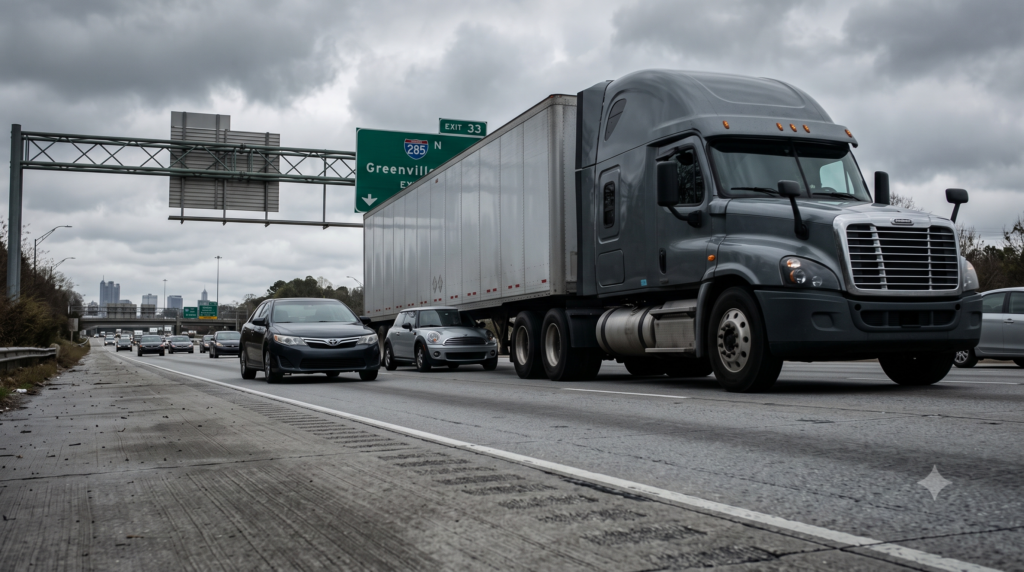
A collision with a passenger vehicle can cause serious injuries, but a crash involving a fully loaded commercial truck is often devastating. Semi-trucks traveling along Atlanta highways such as I-285, I-75, and I-85 can weigh up to 80,000 pounds. When that force crushes or severs a limb, the physical, emotional, and financial consequences can last a lifetime.
If you or a loved one suffered an amputation injury in a commercial truck collision, an experienced Atlanta truck accident lawyer can investigate the crash, preserve critical evidence, and pursue the maximum compensation available under Georgia law.
Why Truck Accidents Cause More Amputation Injuries
The enormous size and weight of commercial trucks make catastrophic injuries far more common than in ordinary car accidents.
Common causes of traumatic amputations include:
- Passenger vehicles being crushed beneath trailers during underride accidents.
- Truck frames overriding smaller vehicles and collapsing the passenger compartment.
- Jackknife or rollover crashes trapping occupants inside damaged vehicles.
- Shifting cargo or equipment failures crushing arms or legs during impact.
- Emergency field amputations performed when victims become trapped inside wreckage.
Because of these crash dynamics, traumatic amputations are a recognized category of catastrophic injury in commercial trucking litigation.
Who Can Be Held Liable After a Truck Accident Amputation?
Unlike most passenger vehicle collisions, truck accident cases often involve several potentially liable parties.
- The truck driver for speeding, distracted driving, fatigue, impaired driving, or violating federal hours-of-service regulations.
- The trucking company for negligent hiring, inadequate training, poor supervision, unsafe scheduling practices, or failing to maintain commercial vehicles.
- A cargo loading company if improperly secured or overloaded cargo contributed to the collision.
- A vehicle or parts manufacturer if defective brakes, tires, steering systems, or other components caused the crash.
- A maintenance contractor if improper inspections or repairs allowed dangerous mechanical defects to remain.
Commercial trucking companies must maintain driver qualification files, maintenance records, electronic logging device (ELD) data, and other documentation. However, much of this evidence may only be preserved for a limited time. An attorney can immediately send preservation letters to prevent important records from being lost.
How Compensation Is Calculated After an Amputation Injury
Truck accident amputation claims often involve substantial economic and non-economic damages because the effects extend throughout the victim’s lifetime.
Compensation may include:
- Emergency surgery and hospitalization.
- Future medical care and rehabilitation.
- Physical and occupational therapy.
- Prosthetic limbs and future replacements.
- Treatment for phantom limb pain.
- Lost wages and diminished earning capacity.
- Pain and suffering.
- Permanent disability and loss of enjoyment of life.
- Home and vehicle accessibility modifications.
Because these claims often involve lifelong financial losses, attorneys frequently work with medical experts, economists, vocational specialists, and life-care planners to accurately calculate future damages.
How Federal Trucking Regulations Strengthen Your Case
Commercial trucking companies must comply with regulations established by the Federal Motor Carrier Safety Administration (FMCSA). Violations of these regulations can serve as strong evidence of negligence.
Common violations include:
- Hours-of-service violations resulting in fatigued driving.
- Failure to inspect or properly maintain commercial vehicles.
- Improper driver hiring, qualification, or training.
- Violations of cargo securement requirements.
Preserving this evidence quickly is critical. Learn more about why immediate action matters by reading our guide on the 72-Hour Truck Accident Evidence Preservation Rule.
What to Do After a Serious Truck Accident in Atlanta
- Seek emergency medical treatment immediately.
- Do not speak with the trucking company’s insurance adjuster without legal representation.
- Preserve photographs, damaged clothing, medical records, and any other evidence.
- Request copies of the police report and accident investigation.
- Avoid discussing the accident on social media.
- Contact an experienced Atlanta truck accident attorney immediately so critical trucking records can be preserved.
Frequently Asked Questions
1. Who pays for my prosthetic limb after a truck accident?
If another party is responsible for the collision, your settlement or verdict may include compensation for prosthetic devices, future replacements, rehabilitation, and other lifelong medical expenses.
2. Is there a limit on pain and suffering damages in Georgia truck accident cases?
Georgia generally does not impose a statutory cap on pain and suffering damages in standard personal injury claims, although every case depends on its unique facts and supporting evidence.
3. How quickly can truck accident evidence disappear?
Electronic logging device data, dash camera footage, maintenance records, and other trucking documents may only be retained for a limited time. Immediate legal action helps preserve this evidence before it is lost.
4. Can I sue the trucking company as well as the driver?
Yes. Trucking companies may be directly liable for negligent hiring, supervision, training, maintenance, or violations of federal safety regulations, in addition to being responsible for their driver’s conduct.
5. How long do I have to file a truck accident lawsuit in Georgia?
In most situations, Georgia law provides two years from the date of the accident to file a personal injury claim. Some claims involving government entities or other special circumstances may have shorter deadlines.
Why Choose KP Law Group?
Catastrophic truck accident cases require immediate investigation, preservation of electronic evidence, and a comprehensive understanding of both Georgia law and federal trucking regulations. KP Law Group aggressively investigates every case to identify all liable parties and pursue the full compensation our clients deserve.
To see how our firm has recovered significant compensation for injury victims throughout Georgia, visit our Case Results page.
Contact KP Law Group Today
An amputation injury affects every aspect of your life, and your compensation should reflect the full extent of those losses. Let our experienced legal team protect your rights, preserve critical evidence, and fight for the financial recovery you deserve.
Schedule your Free Fierce & Fearless Case Review today by calling 404-551-4727 or contact KP Law Group online.