


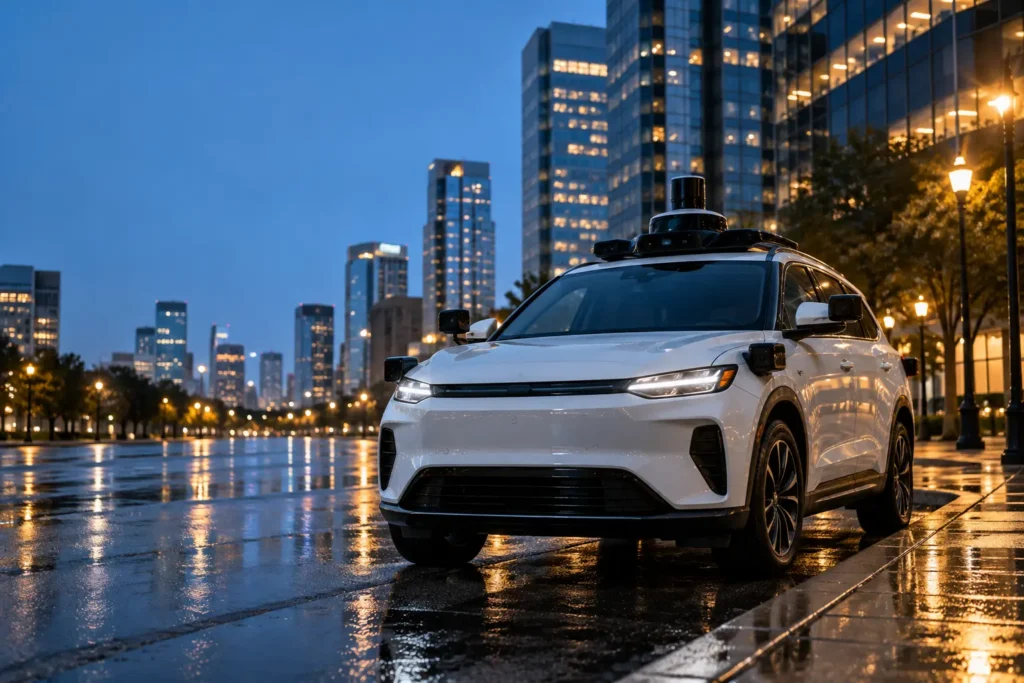
Driverless Waymo vehicles have been carrying passengers in Atlanta through the Uber app since 2025. Waymo currently describes its Atlanta service as extending from South Atlanta through Downtown to Buckhead. In the Waymo-Uber partnership, Uber manages and dispatches the fleet and provides services such as vehicle cleaning, repair, and depot operations, while Waymo remains responsible for testing and operating the Waymo Driver.
When one of these vehicles is involved in a crash, there may be no human driver inside the vehicle. Liability therefore requires looking at the entities responsible for operating the autonomous system, managing the fleet, maintaining the vehicle, manufacturing components, and potentially dispatching the ride. Depending on the facts, another human driver may also be responsible.
These claims can involve ordinary Georgia negligence principles as well as product liability theories. They can also involve extensive electronic evidence that may be particularly important to determining what happened before a collision.
Driverless Cars Are Already Part of Atlanta Traffic
If you ride through Midtown, Downtown, or Buckhead, you may encounter Waymo’s autonomous vehicles. Waymo and Uber announced their expanded partnership for Atlanta in 2024, with public rides beginning in Atlanta through the Uber app in 2025. The vehicles are fully autonomous and use Waymo’s automated driving technology.
Waymo currently identifies Atlanta as one of the cities where riders can access its service through Uber. Riders in the Atlanta service area can request eligible Uber rides and may be matched with a Waymo vehicle when one is available.
That creates a question Georgia law did not have to address in the same way a few years ago: if one of these vehicles hits you, or if you are hurt while riding inside one, who may be responsible?
The answer depends on the facts of the collision. A self-driving car accident can involve negligence claims, product liability claims, insurance issues, and potentially claims against another driver or company.
There Is No Driver, So Who May Be Responsible?
In a normal crash, the investigation often begins with the driver’s conduct. Investigators may examine whether the driver was speeding, following too closely, distracted, impaired, or otherwise violating traffic laws.
When a fully autonomous vehicle is operating without a human driver, the investigation instead has to examine the entities and systems responsible for the vehicle’s operation.
Depending on the circumstances, potentially responsible parties may include:
- The autonomous vehicle company responsible for the driving system
- The fleet operator responsible for vehicle maintenance, cleaning, inspection, and depot operations
- The rideshare platform that dispatches the vehicle and manages the passenger transaction
- A vehicle or component manufacturer if a defective component contributed to the crash
- A software provider if third-party software contributed to the incident
- Another human driver who caused or contributed to the collision
The last possibility is important. The fact that one vehicle is autonomous does not automatically make that vehicle or its operator responsible for every crash. If another driver’s negligence caused the collision, that driver’s conduct and insurance may be central to the claim.
Two Legal Theories That May Apply
Depending on the facts and available evidence, an Atlanta autonomous vehicle case may involve one or more legal theories.
Negligent Operation
A company operating an autonomous vehicle fleet may have legal duties concerning how vehicles are deployed, maintained, monitored, and supported. A negligence claim could involve allegations concerning inadequate maintenance, failure to address known system problems, improper deployment, or other operational failures.
Whether any particular conduct constitutes negligence depends on the evidence and applicable Georgia law.
Product Liability
Georgia law provides a product-liability framework that can apply when a defective product causes injury. O.C.G.A. § 51-1-11 addresses liability for defective products, including manufacturing and design issues under the circumstances specified by Georgia law.
An autonomous vehicle case could potentially involve allegations concerning a defective component, an alleged design defect in an autonomous driving system, or an alleged failure to provide appropriate warnings about a product’s limitations.
Product liability cases also involve specific statutes of limitation and repose. The applicable deadline depends on the nature of the claim and the facts, so a potential claim should be evaluated promptly.
The Evidence Is Unusually Detailed, and It Can Be Perishable
One of the most important differences in an autonomous vehicle crash is the amount and type of electronic information that may exist.
Depending on the vehicle and system involved, relevant evidence may include:
- Lidar and radar information
- Multiple camera feeds
- Perception and object-detection information
- Prediction and planning data
- Steering, acceleration, and braking commands
- Remote assistance records
- Vehicle diagnostic information
- Fleet maintenance and inspection records
- Trip and dispatch information
This information may help establish what the autonomous system detected, how it interpreted the surrounding environment, what action it planned, and what the vehicle actually did before the collision.
Much of this information may be maintained by companies involved in the vehicle’s operation. Retention periods and available data can vary, making early preservation efforts important.
A preservation demand should identify the types of information relevant to the collision, including vehicle logs, sensor information, video, system-status records, remote-assistance records, maintenance records, and trip information when appropriate.
If You Were a Passenger Inside the Vehicle
A passenger injured while riding in an autonomous vehicle can pursue a claim when another party’s negligence, a defective product, or another legally recognized basis for liability caused the injury.
Potential sources of insurance can depend on the circumstances of the trip and the entities involved. Because Waymo rides in Atlanta are provided through Uber, the applicable insurance arrangements may involve commercial coverage associated with the autonomous fleet and/or rideshare coverage, depending on the circumstances.
If another driver caused the collision and does not have enough insurance to cover the resulting damages, uninsured or underinsured motorist coverage may also become relevant depending on the applicable policies and facts.
Practical steps after a crash in a driverless vehicle include:
- Get medical attention, even if you initially feel fine.
- Call 911 and make sure an official crash report is generated.
- Save or screenshot the trip information in the app, including the trip time and vehicle information available to you.
- Photograph the vehicle, accident scene, visible damage, and injuries.
- Collect contact information for witnesses when possible.
- Preserve medical records, receipts, photographs, and other documentation related to the accident.
- Consider speaking with an attorney before providing a recorded statement to an insurer.
If You Were Hit by One as a Pedestrian, Cyclist, or Driver
People outside an autonomous vehicle can have the same types of legal rights available to other crash victims when another party’s negligence caused the collision.
Georgia generally follows a modified comparative negligence system. The effect of comparative fault depends on the percentage of responsibility assigned to each party and the specific circumstances of the claim.
Autonomous vehicle cases can require a more technical investigation than an ordinary automobile accident. Electronic data may provide information about what the vehicle detected and how the system responded during the seconds leading up to impact.
That information may support one party’s account of the collision or raise questions about another party’s version of events. Preserving and analyzing the underlying data can therefore be important.
Where Georgia Law Currently Stands
Georgia has enacted laws addressing the operation of autonomous vehicles, including requirements concerning insurance, registration, and autonomous vehicle operation. Georgia law also contemplates fully autonomous vehicles operating without a human driver under specified conditions.
Georgia law does not create a separate compensation system that automatically determines liability for every autonomous vehicle collision. Instead, the applicable liability rules depend on the facts, the parties involved, the type of claim, and the applicable statutes.
That means an Atlanta autonomous vehicle accident can involve the same general concepts found in other personal injury cases, including negligence, comparative fault, insurance coverage, damages, and applicable statutes of limitation, while also requiring additional technical investigation.
For most personal injury claims in Georgia, the statute of limitations is generally two years from the date of injury, but different deadlines can apply to particular claims. Product liability claims can also involve a statute of repose. Wrongful death claims and claims involving governmental entities may have additional rules and deadlines.
Frequently Asked Questions
1. Who is liable if a driverless Waymo hits me in Atlanta?
Liability depends on what caused the collision. Potentially responsible parties can include the company responsible for the autonomous driving system, a fleet operator, a component manufacturer, the rideshare platform, or another driver. The available evidence must be reviewed before determining who may be legally responsible.
2. Can I sue if I was a passenger in a self-driving car during a crash in Georgia?
Yes. A passenger injured in an autonomous vehicle collision may have a claim when another party’s negligence, a defective product, or another legally recognized basis caused the injury. Potential damages can include medical expenses, lost income, pain and suffering, and other losses supported by the evidence.
3. Does the autonomous vehicle record what happened?
Autonomous vehicles can generate extensive technical information about their operation, including sensor, perception, planning, vehicle-control, diagnostic, and other data. The exact information available depends on the vehicle and system involved. Because relevant records may be maintained by companies involved in the operation of the vehicle, preservation should be addressed as early as possible.
4. Is a driverless car accident claim a product liability case or a negligence case?
It can potentially involve either theory or both. Negligence claims can focus on the operation, maintenance, monitoring, or deployment of the vehicle. Product liability claims can focus on alleged defects in the vehicle, components, or autonomous driving system. The appropriate legal theories depend on the facts and evidence.
5. How long do I have to file a claim after an autonomous vehicle accident in Georgia?
Georgia’s statute of limitations for most personal injury claims is generally two years from the date of injury. Other claims can have different deadlines, and product liability claims may involve additional statutes of repose. Because the applicable deadline depends on the claim, it is important to have the case evaluated before a filing deadline approaches.
Call to Action
Driverless vehicles are now part of Atlanta’s transportation system. When an autonomous vehicle crash causes an injury, determining responsibility can require an investigation into the vehicle, autonomous driving system, fleet operations, rideshare platform, other drivers, and available insurance.
KP Law Group can investigate the circumstances of an autonomous vehicle crash, preserve relevant evidence, identify potentially responsible parties, and evaluate the available legal claims.
For information about another type of rideshare accident, visit our Uber and Lyft driver injury accident page.
You can also review KP Law Group’s case results to learn more about past personal injury matters. Past results do not guarantee a similar outcome in any future case.
Contact KP Law Group for more information or call 404-551-4727 for a free Fierce and Fearless case review.