


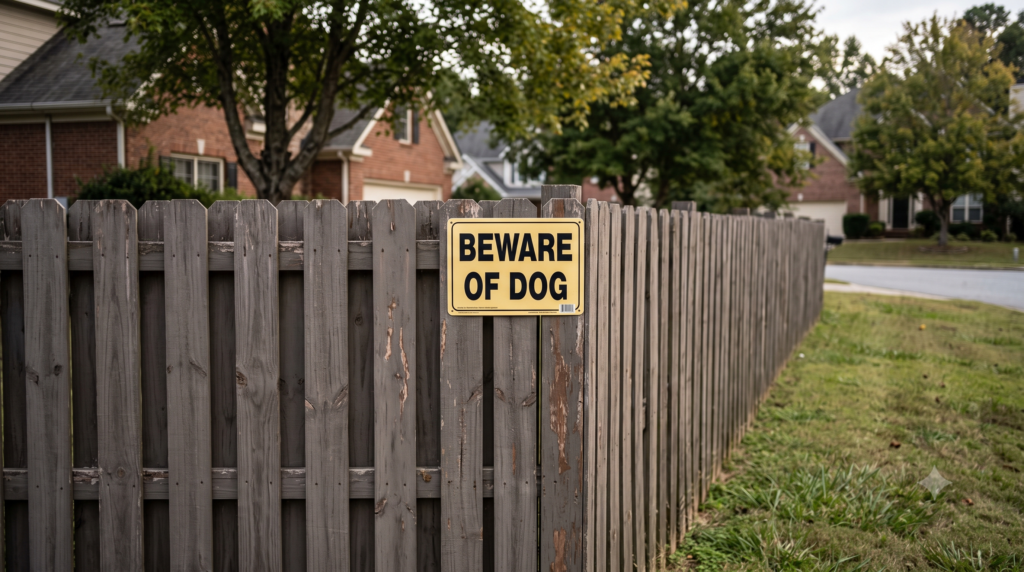
Georgia maintains a legal framework for classifying dogs as “dangerous” or “vicious” after prior incidents, and a dog’s classification or bite history can become powerful evidence in an Atlanta injury claim. Proving a dog owner knew—or should have known—about a dog’s aggressive history often eliminates the need to rely solely on Georgia’s one bite rule. An experienced attorney can obtain animal control records and use them to establish liability.
Many people injured by dog bites in Atlanta have heard about Georgia’s “one bite rule,” which generally requires showing that a dog owner knew or should have known their dog had dangerous tendencies before the attack. However, what many victims do not realize is that Georgia also has a formal dangerous dog classification system, and if the dog that attacked you was already classified, it can significantly strengthen your claim.
If you or a loved one has been injured, speaking with an experienced Atlanta dog bite lawyer can help determine whether the dog had a documented history of aggression and whether additional parties may be liable.
What Is Georgia’s Dangerous Dog Classification System?
Under Georgia’s Responsible Dog Ownership Law, county animal control agencies may classify a dog as either a dangerous dog or a vicious dog following certain incidents, including:
- A bite that causes injury without provocation.
- Aggressive behavior toward a person, even without physical contact.
- A previous bite or attack investigated by animal control authorities.
Once a dog receives a dangerous dog classification, Georgia law requires the owner to:
- Register the dog with the county.
- Maintain secure confinement and proper containment.
- Use a leash and muzzle in public when required.
- Display warning signs on the property where applicable.
Animal control departments throughout Fulton, DeKalb, and Cobb Counties maintain records of dangerous dog classifications, complaints, investigations, and prior incidents. These records often become valuable evidence during a personal injury claim.
Why a Dangerous Dog Classification Strengthens Your Case
Georgia’s one bite rule can sometimes be difficult to prove because it often comes down to conflicting testimony between the dog owner and the victim.
A documented dangerous or vicious dog classification changes that completely. If the dog had already been officially classified before your attack, there is documented government evidence showing the owner knew about the dog’s aggressive behavior.
Instead of relying solely on witness testimony, your attorney can present official records demonstrating that the owner had prior notice and failed to take reasonable steps to prevent another attack.
Even if the dog was never formally classified, previous animal control complaints, veterinary records, neighborhood reports, or prior attacks may still establish that the owner knew about the dog’s dangerous tendencies.
How Atlanta Dog Bite Lawyers Obtain Animal Control Records
A thorough investigation often includes requesting records directly from the appropriate county animal control agency.
These records may include:
- Previous incident reports involving the same dog.
- Dangerous or vicious dog classification hearings.
- Prior bite reports filed by other victims.
- Rabies quarantine and observation records.
- Complaints made by neighbors, delivery drivers, or postal workers.
Experienced attorneys also interview nearby residents and witnesses who may have observed previous aggressive behavior that was never formally reported.
How a Dog’s History Can Affect Your Compensation
Georgia dog bite victims may recover compensation for:
- Medical expenses.
- Lost wages and reduced earning capacity.
- Pain and suffering.
- Permanent scarring and disfigurement.
- Future medical treatment.
- Punitive damages in appropriate cases.
A documented history of aggression is particularly important when pursuing punitive damages because it may demonstrate that the owner knowingly ignored an obvious risk to others.
Many homeowners insurance policies provide coverage for dog bite claims. However, some policies exclude certain breeds or dogs with previous bite histories, making early investigation especially important.
What to Do After a Dog Bite in Atlanta
- Seek immediate medical treatment and keep all medical records.
- Report the bite to your local county animal control department.
- Photograph your injuries, the location, fencing, warning signs, and any visible hazards.
- Speak with neighbors to determine whether they know of previous attacks or complaints involving the same dog.
- Preserve any communication with the dog owner or witnesses.
- Contact an experienced Atlanta dog bite attorney as soon as possible so important records can be preserved.
Frequently Asked Questions
1. How can I find out whether the dog that bit me was previously classified as dangerous?
Your attorney can request records from the county animal control department. These records often include dangerous dog classifications, previous complaints, and prior bite investigations.
2. Can I still file a claim if the dog was never officially classified as dangerous?
Yes. Georgia’s one bite rule still allows recovery if you can show the owner knew or reasonably should have known about the dog’s aggressive tendencies through other evidence.
3. Can I recover punitive damages after a Georgia dog bite?
Possibly. Punitive damages may be available when an owner’s conduct demonstrates willful misconduct or reckless disregard for public safety, particularly when there is documented evidence of prior aggressive behavior.
4. Does homeowners insurance usually cover dog bite injuries?
Many homeowners insurance policies provide coverage for dog bite claims, although some exclude certain breeds or dogs with previous bite histories. An attorney can determine what insurance coverage may apply.
5. How long do I have to file a dog bite lawsuit in Georgia?
In most cases, Georgia law gives injured victims two years from the date of the dog bite to file a personal injury claim.
Why Choose KP Law Group?
Dog bite claims often require detailed investigations into animal control records, insurance coverage, and the dog’s history. KP Law Group has the experience to uncover critical evidence and aggressively pursue the compensation you deserve.
To learn how our firm has helped injury victims recover compensation, visit our Case Results page.
Contact KP Law Group Today
If you were bitten by a dog in Atlanta and believe the animal had a history of aggressive behavior, that history may become one of the strongest pieces of evidence in your case. Let our legal team investigate the facts, protect your rights, and pursue maximum compensation on your behalf.
Schedule your Free Fierce & Fearless Case Review today by calling 404-551-4727 or contact KP Law Group online.